Pelvic floor rehabilitation
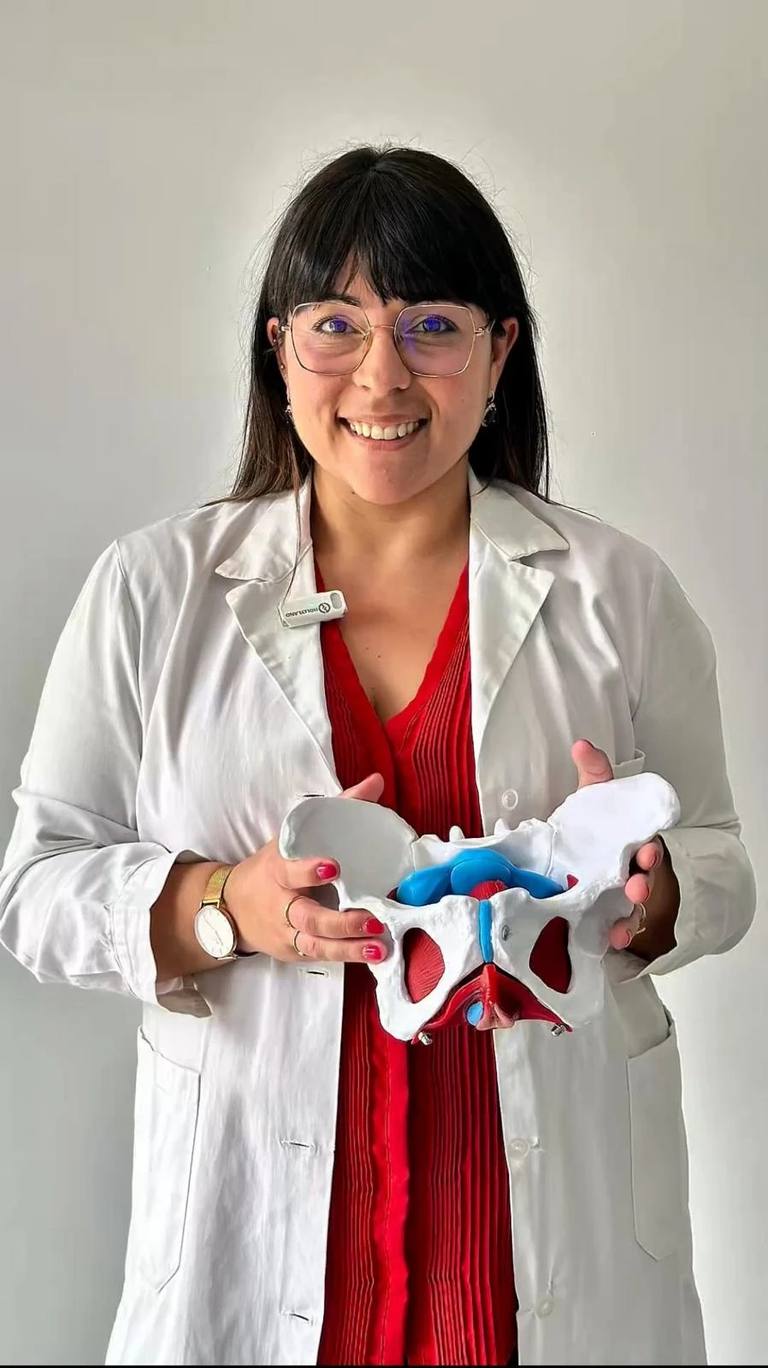
Pelvic floor rehabilitation is a personalised programme, available at the physiotherapy practice in Vibo Valentia (Vena Superiore), for women and men of all ages who want to improve the health and function of the pelvic area. Through specific re-education techniques, we work to strengthen, relax or coordinate the pelvic muscles, helping you regain everyday wellbeing and prevent or treat the disorders that can affect your quality of life.
Who it’s for
- Post-partum and birth preparation: to support the body during pregnancy and encourage optimal recovery after birth.
- Urinary or faecal incontinence: to regain control and confidence in managing physiological functions.
- After prostatectomy surgery: to recover urinary control and strengthen the pelvic floor following prostate surgery.
- Chronic pelvic pain: to address muscle tension, intimate discomfort or pain during intercourse (dyspareunia).
- Pelvic organ prolapse: to support the musculature and improve support for the abdominal structures.
How it works
The programme is structured around your specific needs:
- Initial assessment: an introductory consultation and physical examination to understand the cause of the disorder and define your goals.
- Tailored programme: an individual treatment plan that may include therapeutic exercises, biofeedback techniques or manual therapy.
- Exercises: practical instructions to follow in the studio and at home to make the treatment effective and lasting.
- Follow-up: periodic monitoring sessions to track progress, adapt the programme and consolidate the results achieved.