
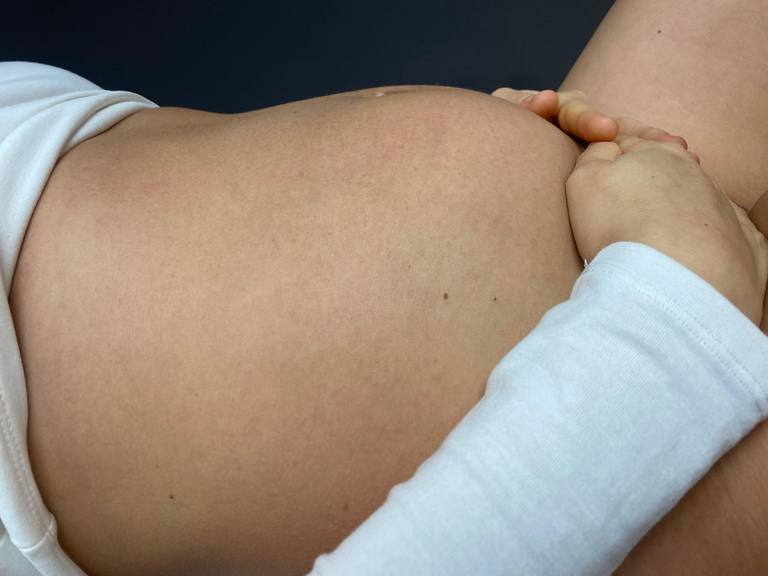
Abdominal rectus diastasis
Rehabilitation for abdominal rectus diastasis is a personalised programme, offered at the physiotherapy practice in Vena Superiore (Vibo Valentia), to restore the tone and function of the abdominal wall.
Diastasis is the excessive separation of the two rectus abdominis muscles along the midline. It isn’t only an aesthetic concern: it’s a condition that can affect the stability of the trunk, causing back pain, digestive difficulties and a sense of deep weakness. Through targeted exercises, postural re-education and breathing control, the abdominal wall can be strengthened safely, improving posture and reducing the associated discomfort.
Who it’s for
- Women after childbirth: to help the body regain its natural balance and proper muscle competence after the changes of pregnancy.
- People with abdominal weakness or bloating: for those who feel a “slack abdomen” or constant bloating unrelated to diet.
- Anyone wanting to recover core stability and strength: for those with chronic lower-back pain, or who want to return to daily and sporting activities with a solid, functional abdominal wall.
How it works
The programme unfolds in three key phases:
- Initial assessment: an in-depth consultation and physical examination to evaluate the extent of the muscle separation, the quality of the tissues and the health of the spine.
- Tailored programme: a specific exercise plan that integrates correct activation of the transversus abdominis, management of intra-abdominal pressure and correction of everyday movement patterns.
- Monitoring and follow-up: periodic sessions to check progress, adjust the intensity of the work and ensure recovery is steady, lasting and aligned with your health goals.